Winter Is Coming: How to Prepare Your Home to Prevent Costly Damage
November 11, 2026
A little preparation now can help you avoid major problems when temperatures drop.
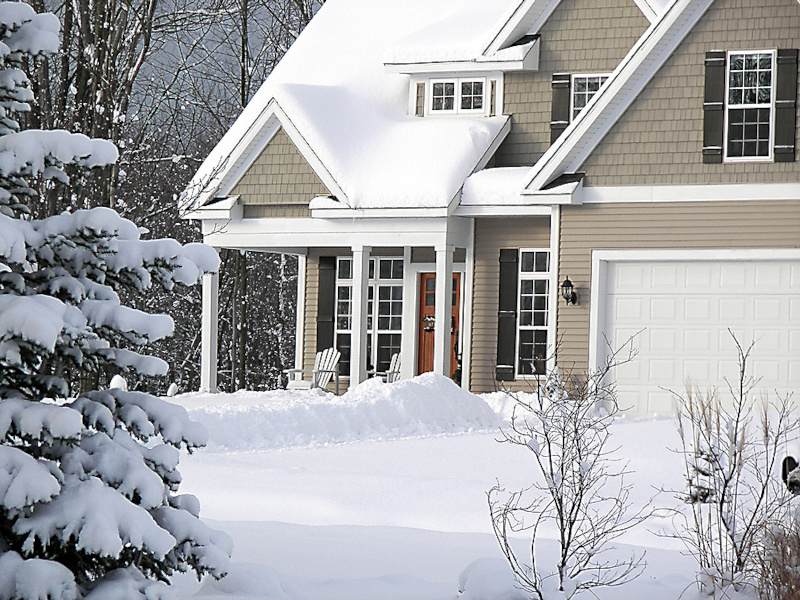
As temperatures begin to fall, your home faces a new set of seasonal risks.
Winter weather can bring freezing pipes, roof damage, ice buildup, and heating system issues—all of which can lead to costly repairs and insurance claims. Many of these problems develop gradually, but can quickly turn into major damage if left unaddressed.
Taking time to prepare your home before winter sets in can help protect your property, reduce risk, and give you peace of mind throughout the colder months.
Protecting Your Pipes from Freezing
Frozen pipes are one of the most common and expensive winter issues homeowners face.
To help prevent freezing:
- Insulate exposed pipes in basements, attics, and crawl spaces
- Keep your home heated to a consistent temperature
- Let faucets drip during extreme cold to keep water moving
- Open cabinet doors to allow warm air to circulate around plumbing
If a pipe does freeze, acting quickly can help minimize damage.
Preventing Roof and Ice Damage
Snow and ice buildup can put stress on your roof and lead to leaks or structural issues.
Consider:
- Clearing gutters and downspouts before winter begins
- Checking your roof for damaged or missing shingles
- Ensuring proper attic insulation and ventilation
- Watching for ice dams forming along roof edges
Addressing these issues early can help prevent costly repairs later in the season.
Maintaining Your Heating System
Your heating system plays a critical role in both comfort and safety during winter.
Before temperatures drop, make sure to:
- Schedule a professional inspection or tune-up
- Replace air filters regularly
- Check that vents and registers are clear
- Test your thermostat for proper operation
A well-maintained system is less likely to fail when you need it most.
Sealing Gaps and Improving Insulation
Cold air entering your home can increase energy costs and contribute to frozen pipes.
To improve efficiency and protection:
- Seal gaps around windows and doors
- Add weatherstripping where needed
- Insulate attics and crawl spaces
- Check for drafts around vents and openings
These improvements can help keep your home warmer and reduce strain on your heating system.
What Your Insurance Typically Covers
Homeowners insurance may cover certain types of winter-related damage, but coverage depends on the cause.
Policies often cover:
- Damage from burst pipes if proper precautions were taken
- Roof damage from snow or ice buildup
- Water damage from sudden and accidental events
- Additional living expenses if your home becomes uninhabitable
However, damage caused by neglect or lack of maintenance may not be covered, making prevention especially important.
Prepare Now, Relax Later
Winter weather can be unpredictable, but preparing your home doesn’t have to be complicated.
By taking a few preventive steps and understanding your insurance coverage, you can reduce your risk of costly damage and enjoy the season with greater confidence.
Have questions about your coverage this winter? Contact your local independent insurance agent to review your policy and make sure you’re prepared for the months ahead.